Lightweight sleeve scarf wound with addiExpress
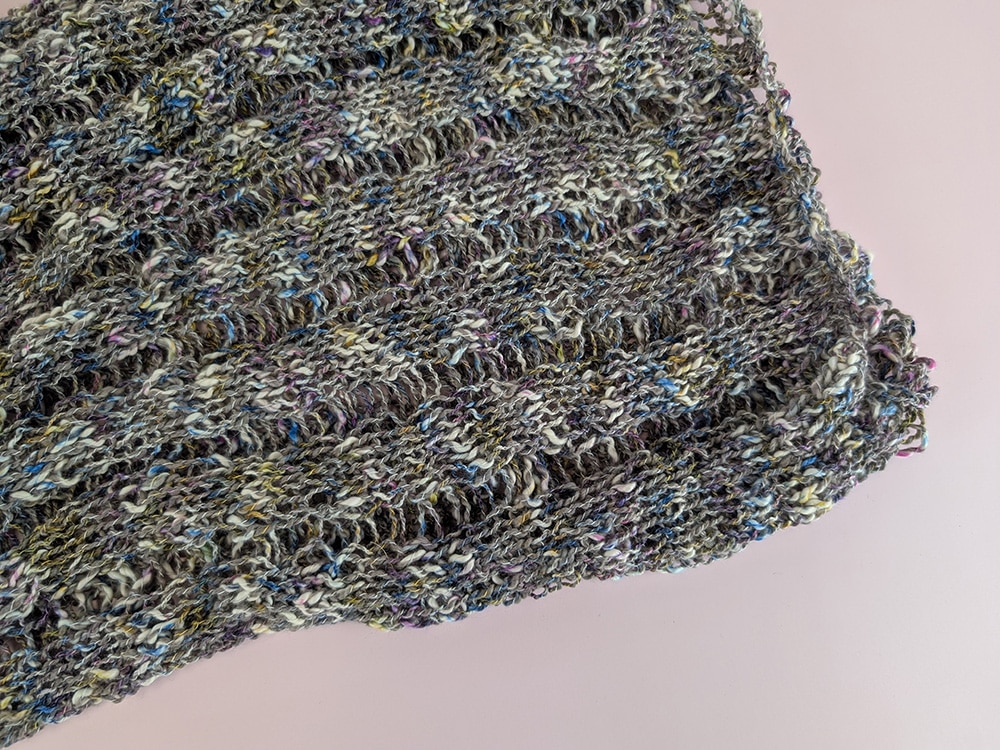
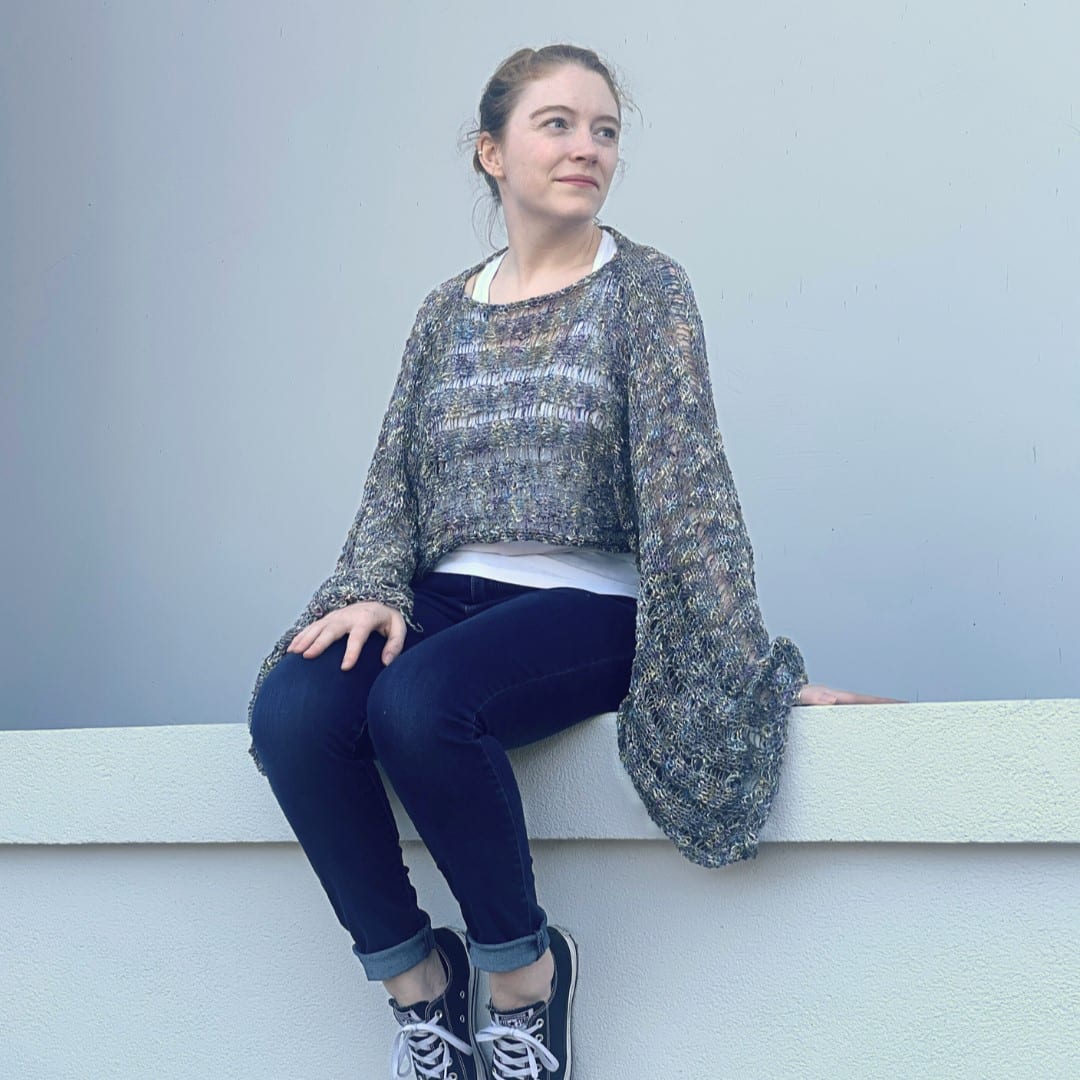
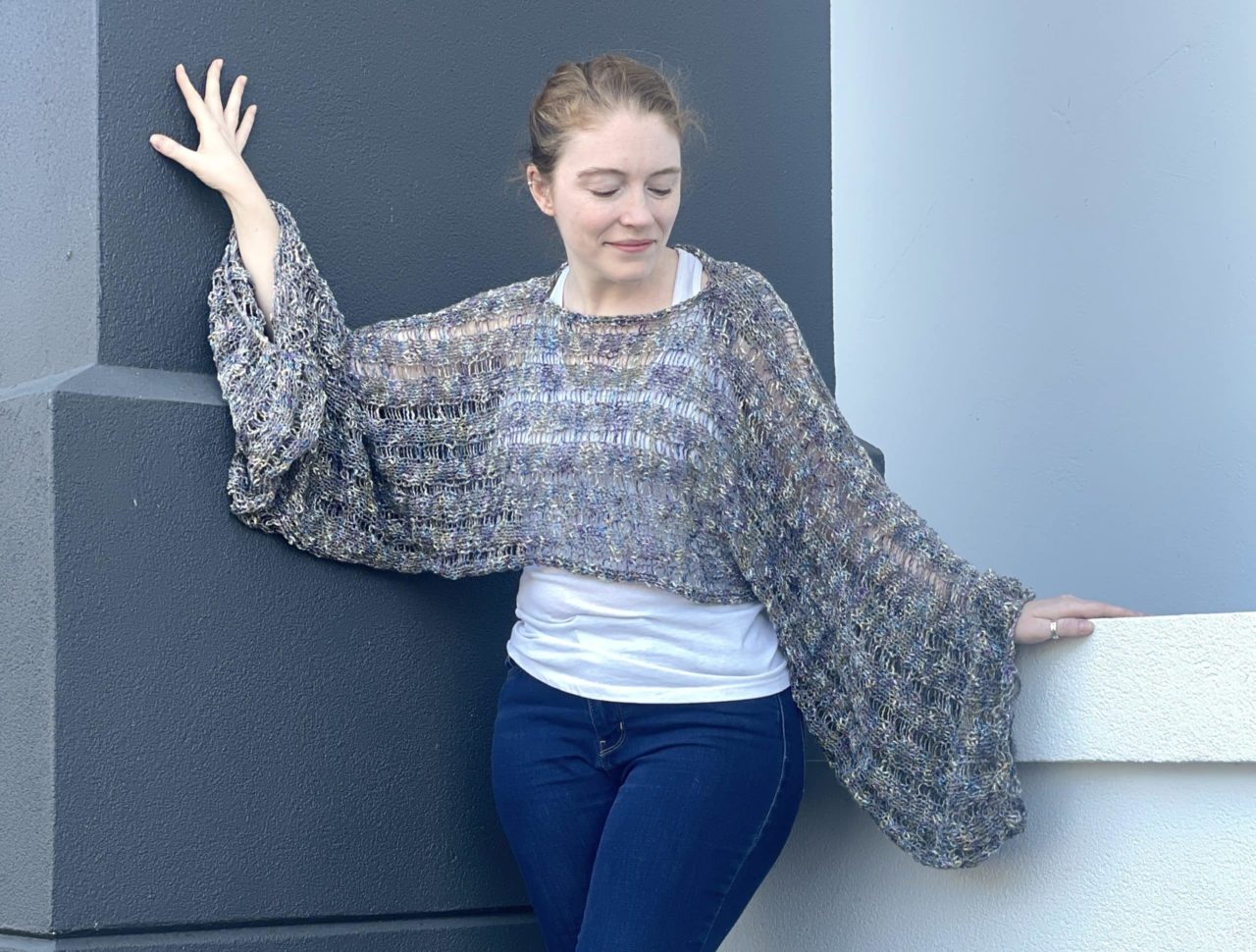
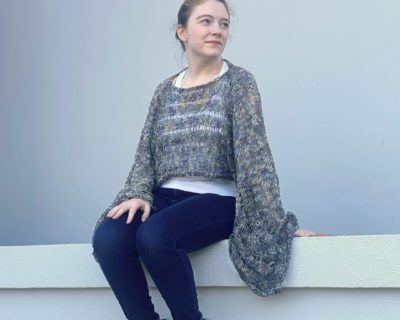
Summer Knitwear – this airy cotton and alpaca sleeve scarf is a beautiful accessory and the perfect finishing touch for any summer outfit.
The material stays cool, it’s lightweight, and it’s easy to make. The sleeve length can be easily adjusted to fit.
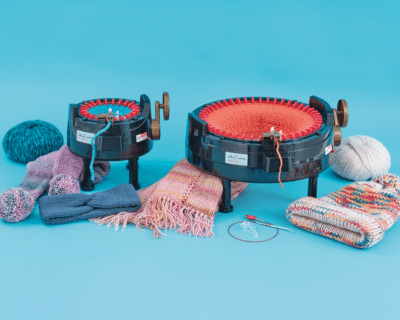
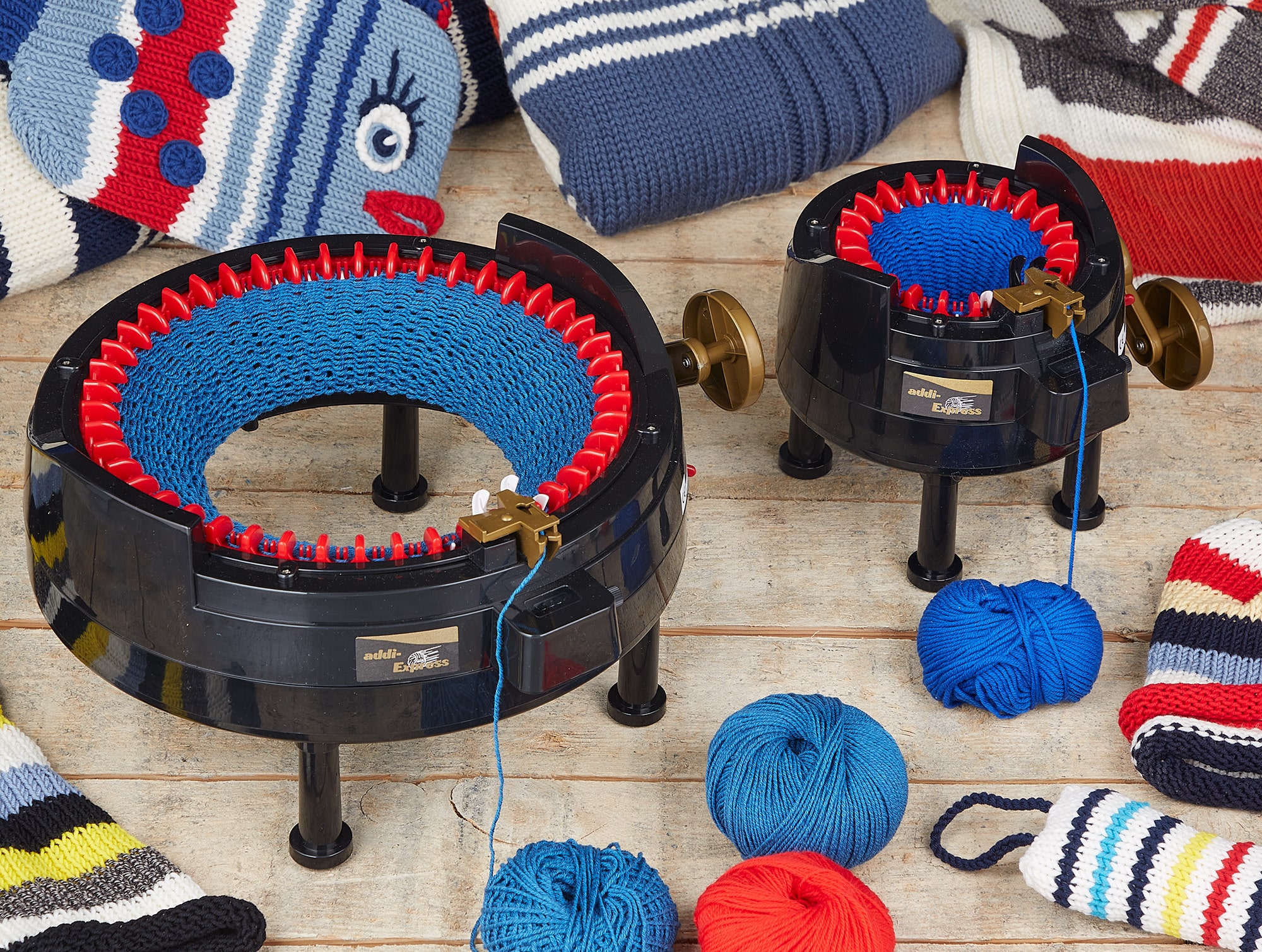
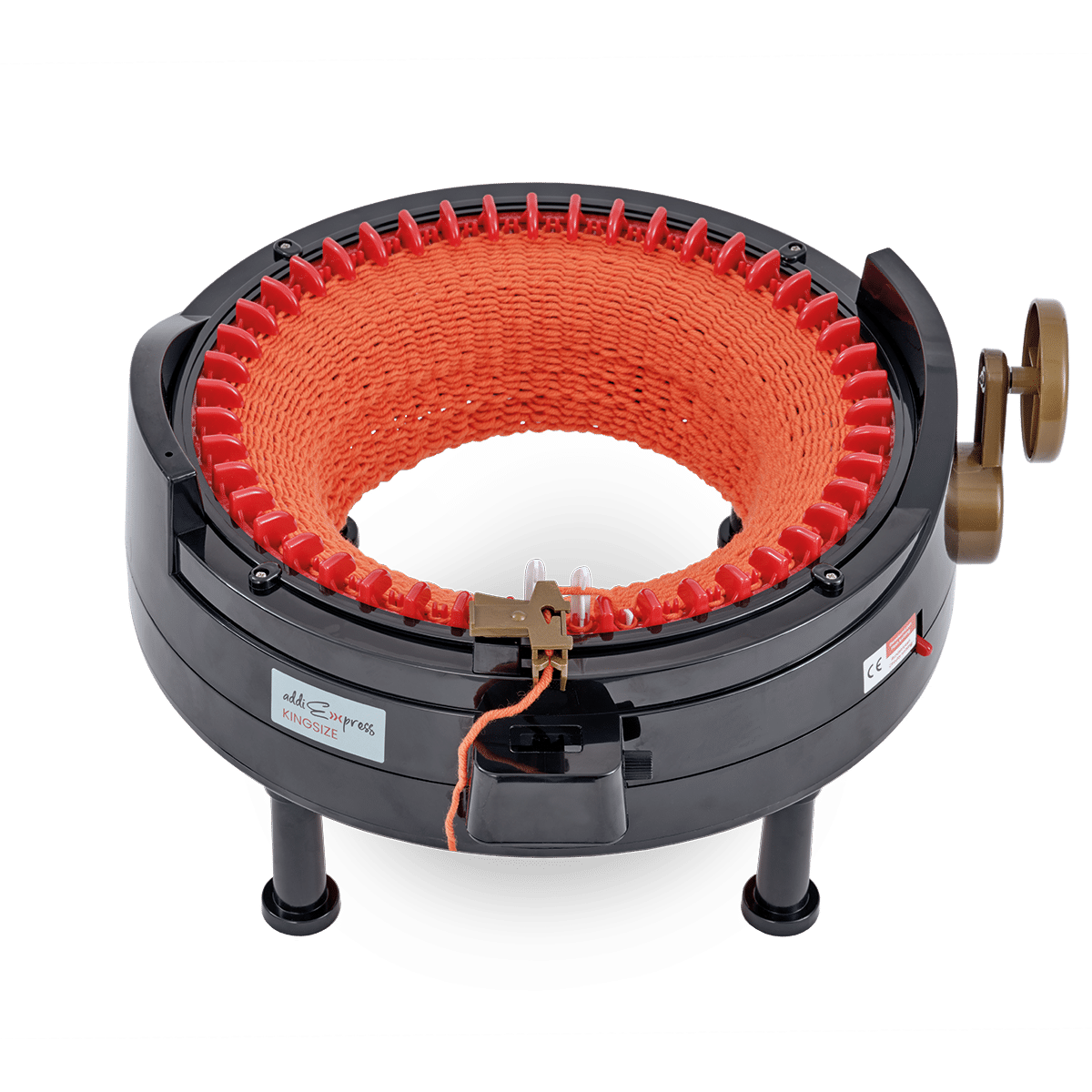
- addiExpress Kingsize
- Lightweight yarn of your choice, such as linen or cotton (100–130 m / 50 g = worsted)
- 2–3 balls HiKoo Alpico (42% cotton, 58% alpaca) 260 m / 100 g
- Alternatively: 2–3 balls Lang Linello (linen, cotton, and viscose) 280 m / 100 g
- Alternatively: 6–7 balls Viking Lotta (43% cotton, 57% merino) 110 m / 50 g
- see more yarns check Yarn recommendations
- Waste yarn in a contrasting color
-
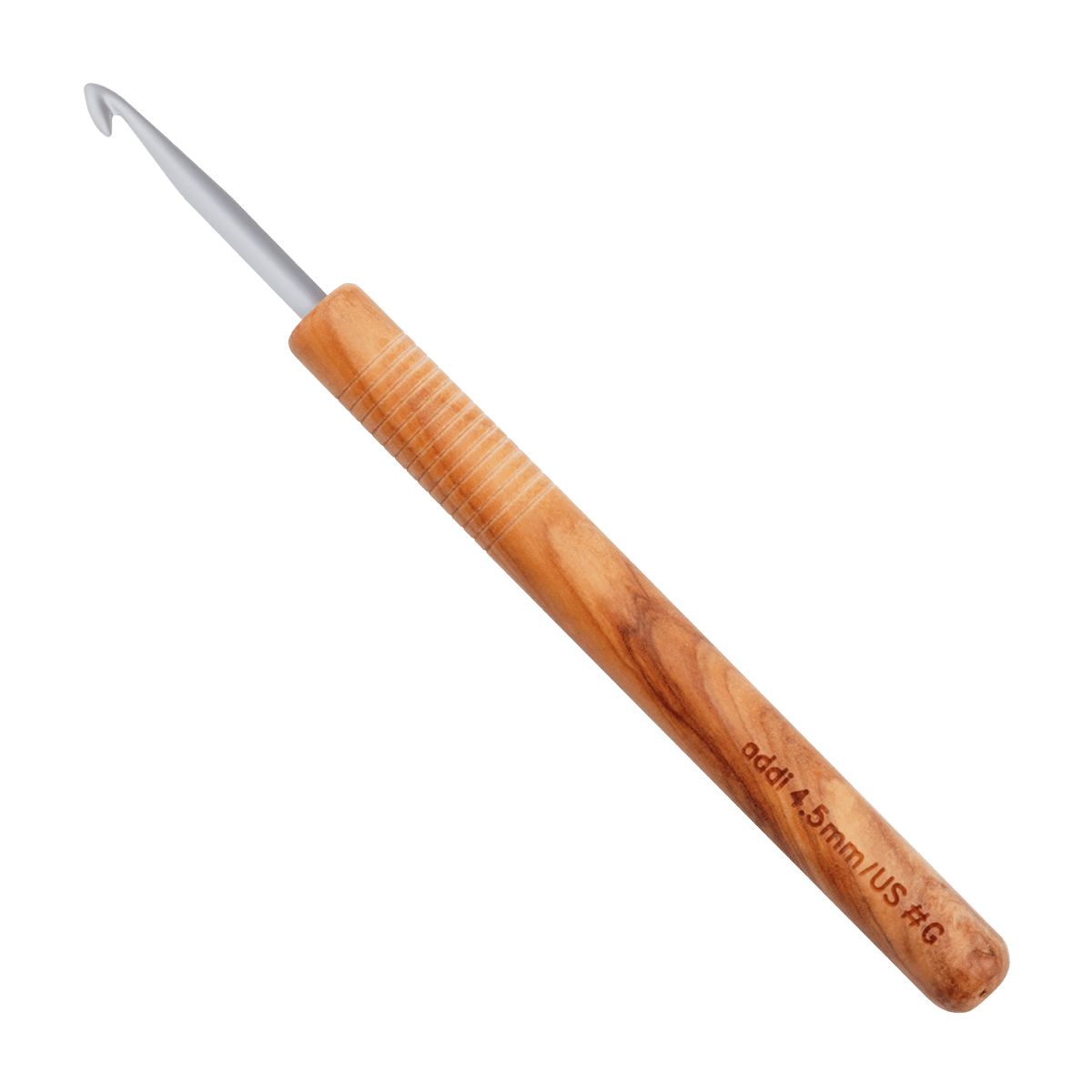
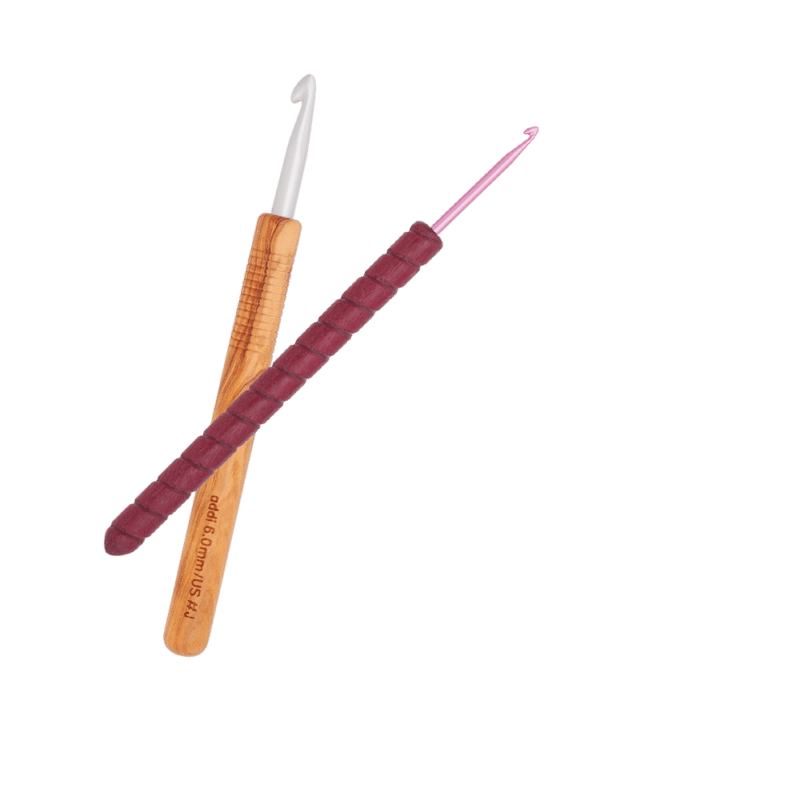
Crochet hook 5-7 mm (US #H-J)
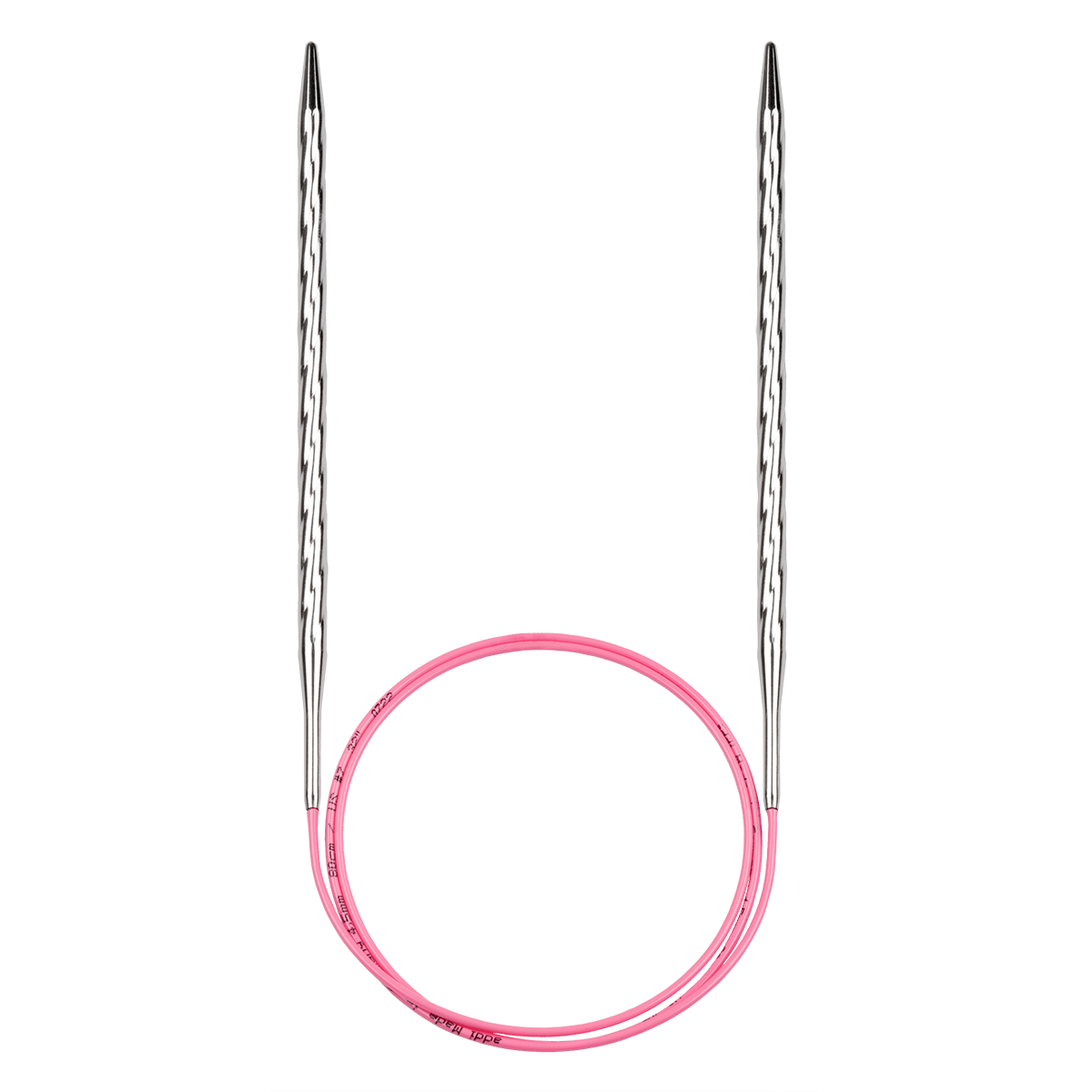
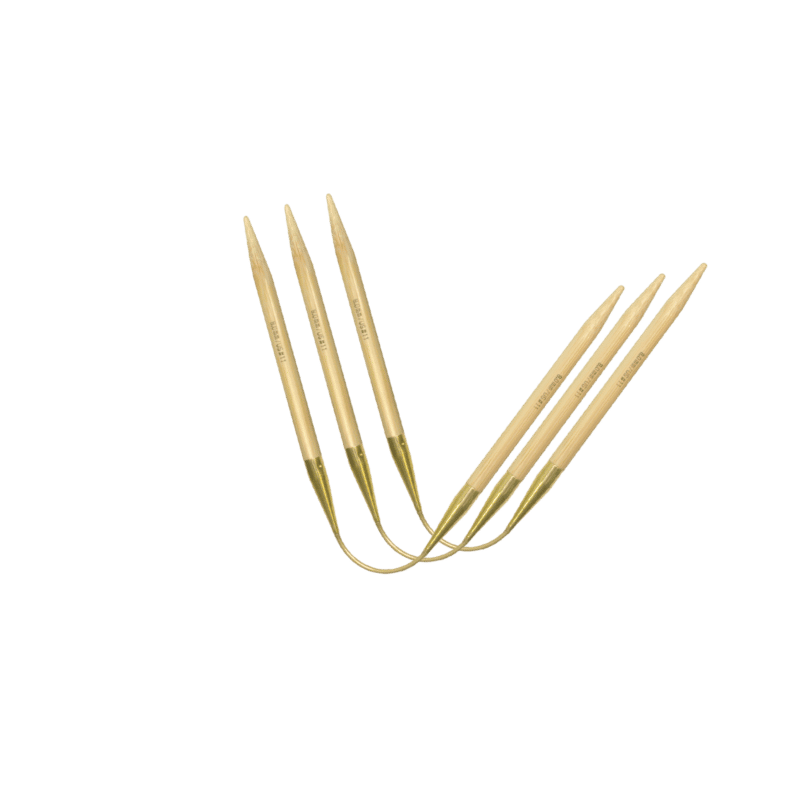
- kurze Rundstricknadel 4-6 mm oder addiExpress TakeOff Set
- Darning needle
-
Scissors
- 3 strands (780 m/852 yd) = long sleeves
- 2 skeins (520 m/568 yd) = half-length sleeves up to a span of 100 cm / 39"
- One skein (260 m/284 yd) is enough for about 200 rows = approx. 100 cm / 39" long panel
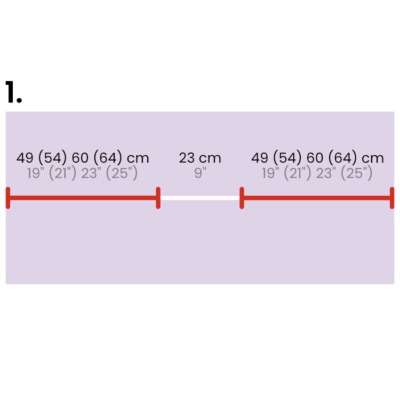
How it works
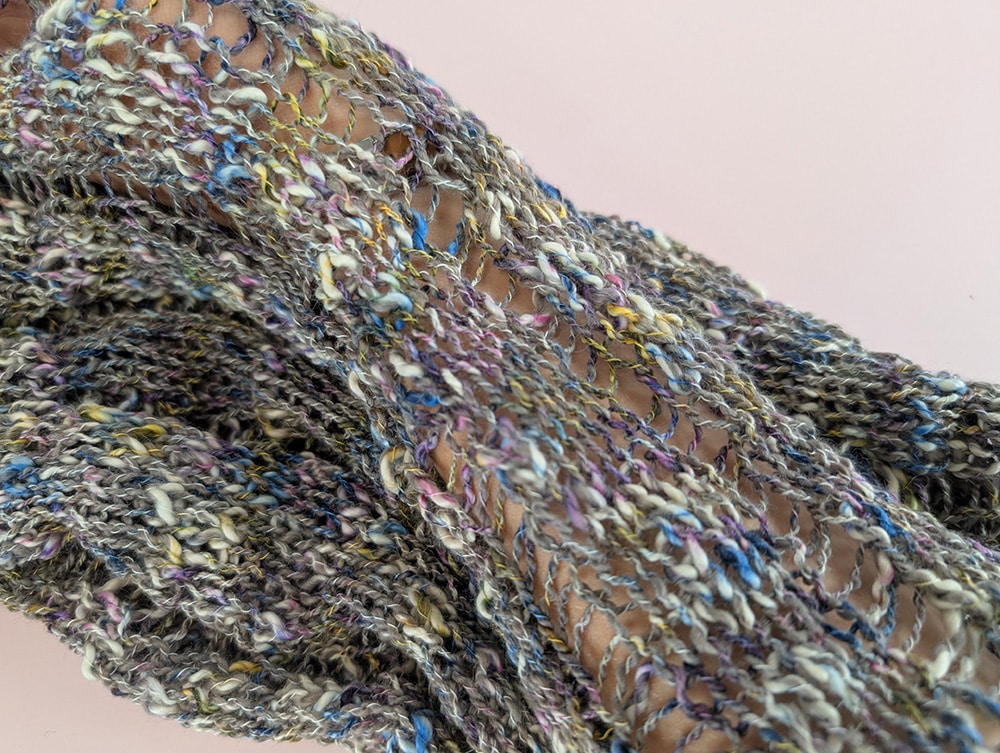
The sleeve scarf consists of two flat-knitted panels, which are made especially airy by a drop-stitch pattern. Both panels are sewn together at the end to create the sleeve scarf.
Tip: You can adjust the width or sleeve length as desired. This allows you to create either long sleeves (follow the number of rows in the pattern) or 3/4-length or shorter sleeves (work fewer rows—for every 10 cm, work 20 less rows).
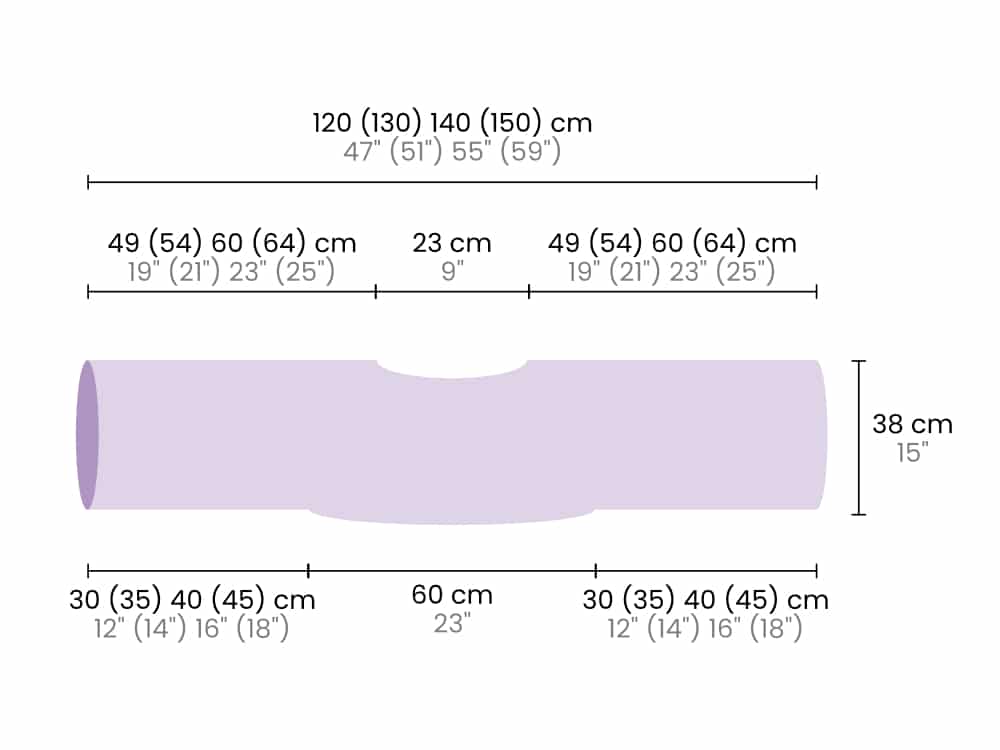
Choosing the right size: Measure the span of your arms: extend your arms out to the sides and measure the distance from wrist to wrist (long arms) or your preferred sleeve length. This measurement is your required span (see “Size” above).
Wind 2 panels
- Cast on 42 sts using waste yarn (needle number 4-45) and work approximately 6 rows in "plain knitting" mode.
- Set the row counter to 0.
- Switch to the main yarn and work 240 (260) 280 (300) rows.
- Continue winding for another 6 rounds using the waste yarn again.
- Drop the knitting off the machine (do not bind off) by turning the handle two rounds without yarn.
Repeat the steps for the second panel
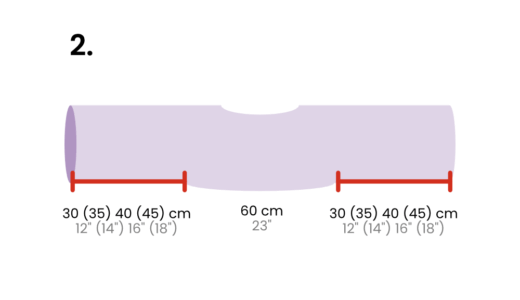
Assembling the Parts
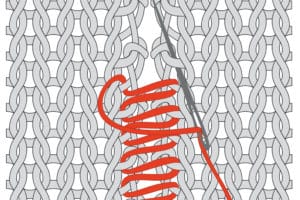
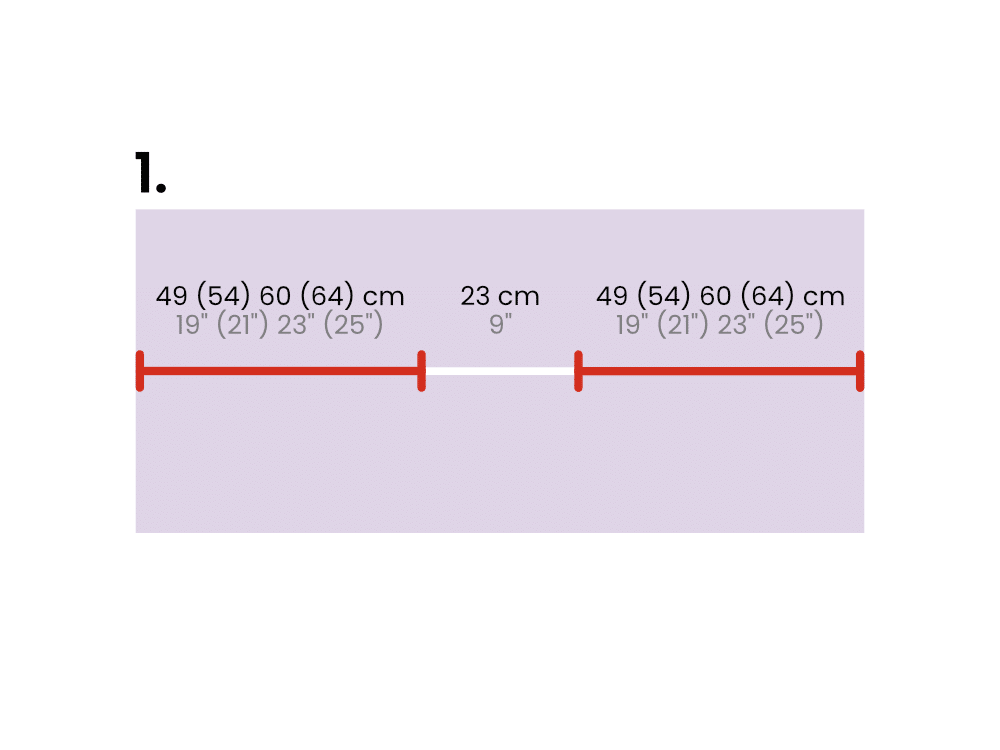
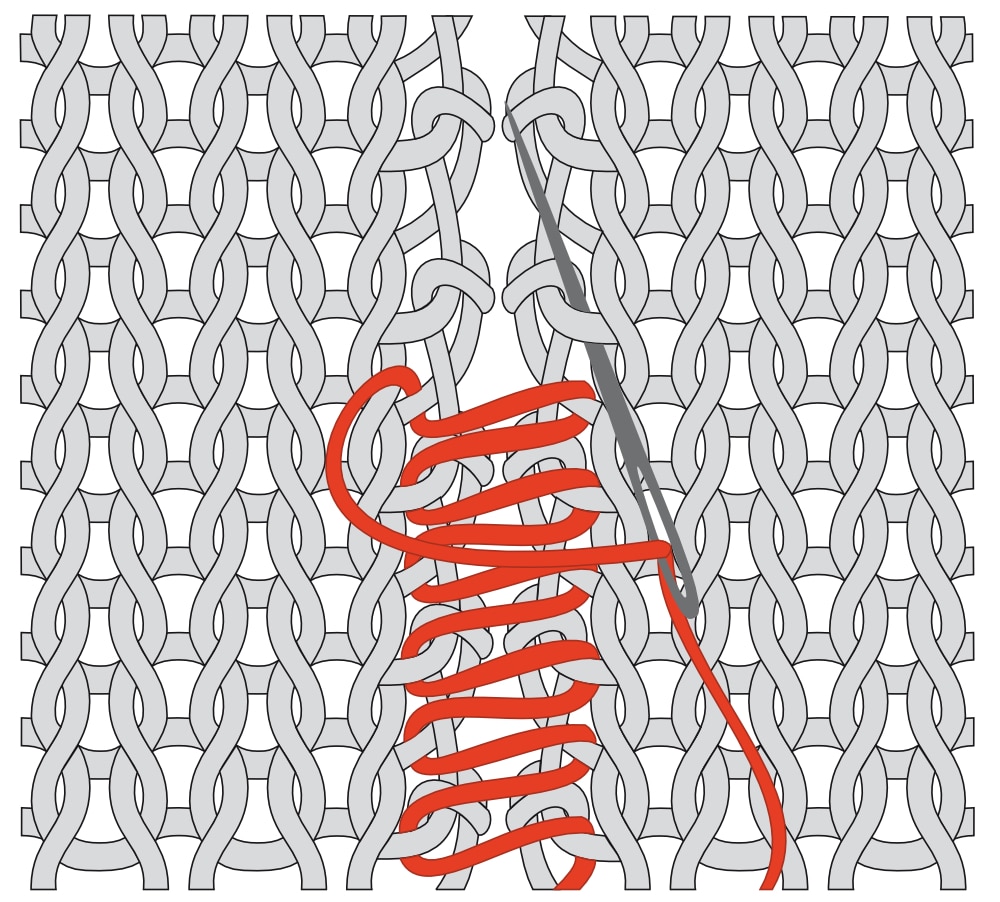
Now, join the two panels along the long sides, leaving openings for the head and body (see illustration).
Dazu zuerst beide Bahnen übereinander legen (Grafik Schritt 1). Nun im Matratzenstich von Außen nach Innen beide Bahnen verbinden (alternativ zusammenhäkeln). In der Mitte eine Öffnung für Kopf lassen.
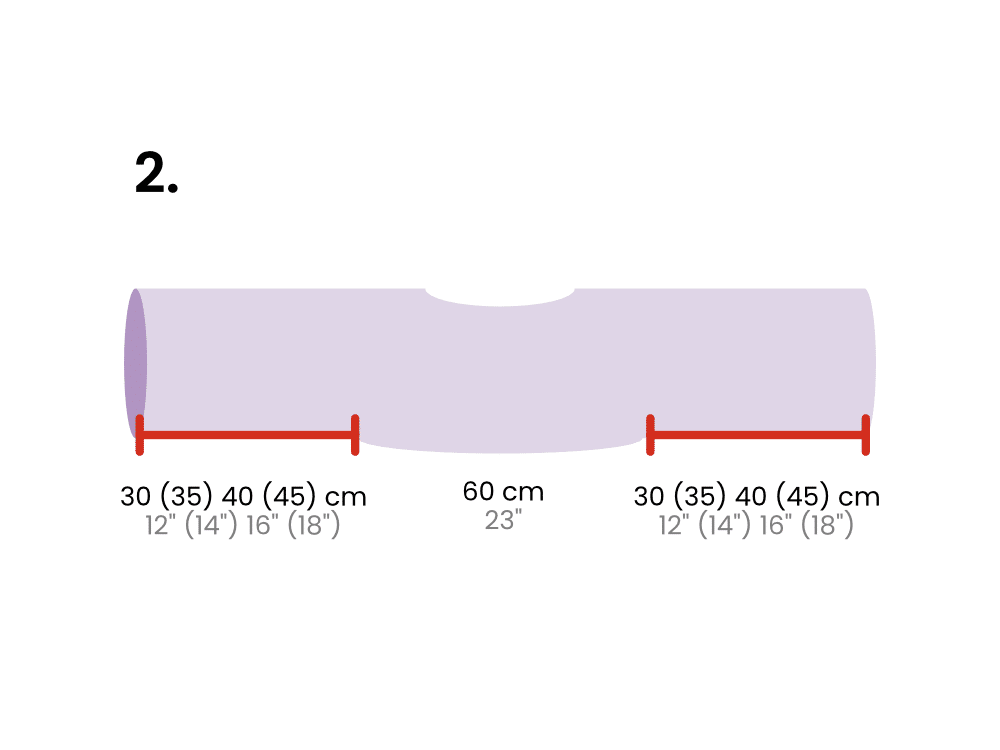
In the second step, join both strips on the opposite side as well, from the outside to the inside (this creates a tube), leaving openings for the body.
Note: The waste yarn is not sewn in. It will be removed later.
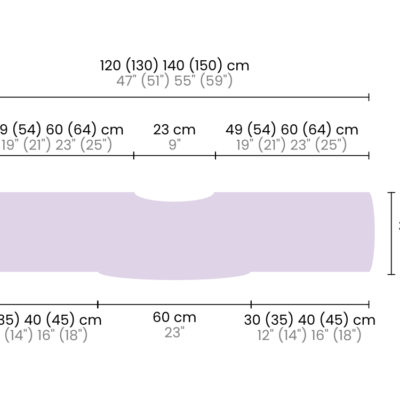
Assembling the Parts
Now, join the two panels along the long sides, leaving openings for the head and body (see illustration).
Dazu zuerst beide Bahnen übereinander legen (Grafik Schritt 1). Nun im Matratzenstich von Außen nach Innen beide Bahnen verbinden (alternativ zusammenhäkeln). In der Mitte eine Öffnung für Kopf lassen.
In the second step, join both strips on the opposite side as well, from the outside to the inside (this creates a tube), leaving openings for the body.
Note: The waste yarn is not sewn in. It will be removed later.
Dropped stitch pattern
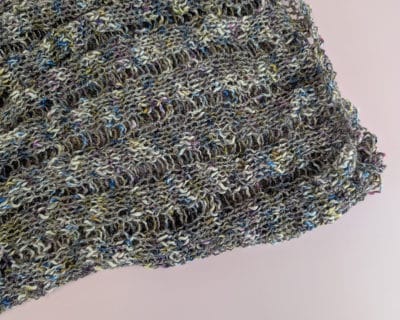
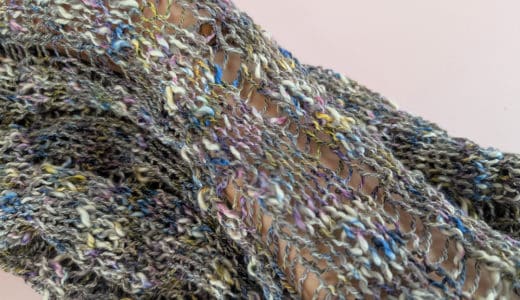
The next step is to create the dropped-stitch pattern. To do this, drop stitches at regular intervals starting from the open end edge using the waste yarn:
Starting from the top edge (with the opening for the head), leave 4 stitches and unravel the fifth stitch (unravel it bit by bit along the entire length of the sleeve scarf). Be careful not to unravel the adjacent stitches.
Repeat this process on the front and back pieces—leave 4 stitches standing, unravel the 5th stitch—until about 6 stitches remain at the bottom edge.
Finish the edges
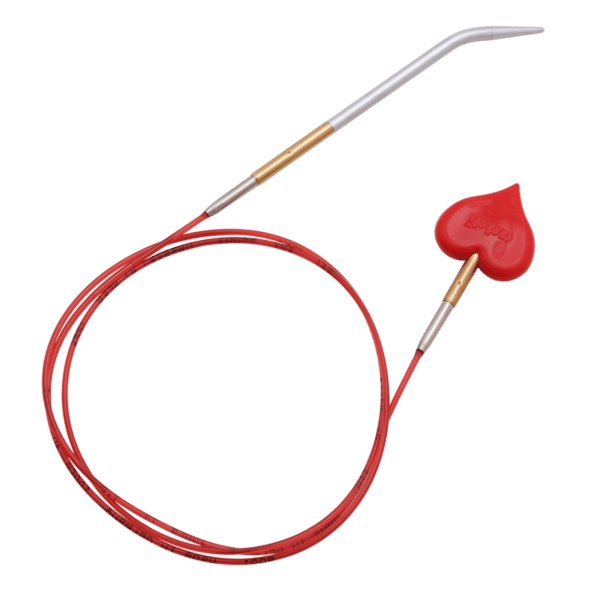
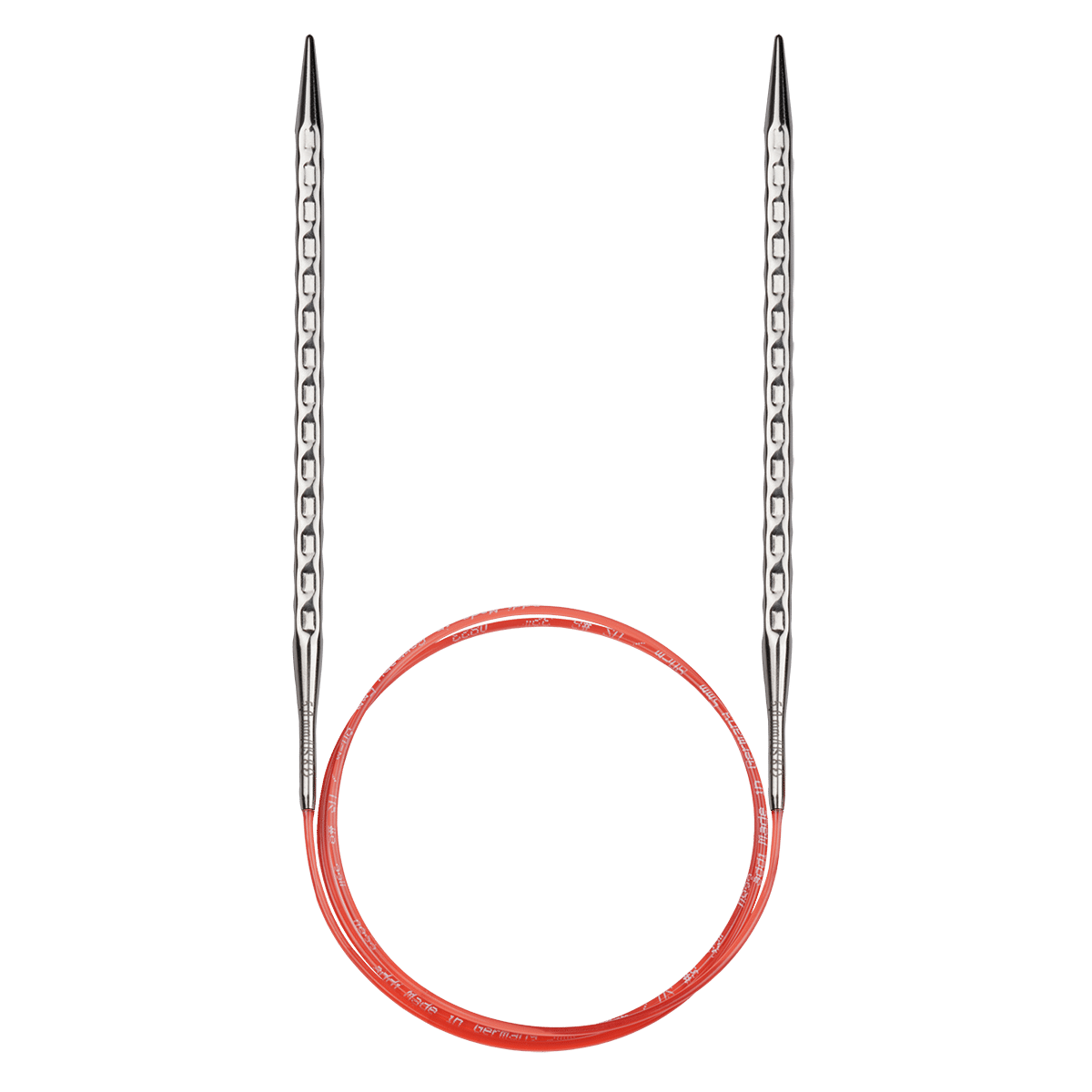
Unravel the waste yarn on one side, transferring the stitches to a short circular needle
- Now either loosely knit the edge and bind off
- or loosely bind off the stitches with a crochet hook.
Repeat this process on the other side.
Finish the edges
Unravel the waste yarn on one side, transferring the stitches to a short circular needle
- Now either loosely knit the edge and bind off
- or loosely bind off the stitches with a crochet hook.
Repeat this process on the other side.