

Apprenticeship as a Surface Coater (m/f/d) 2027
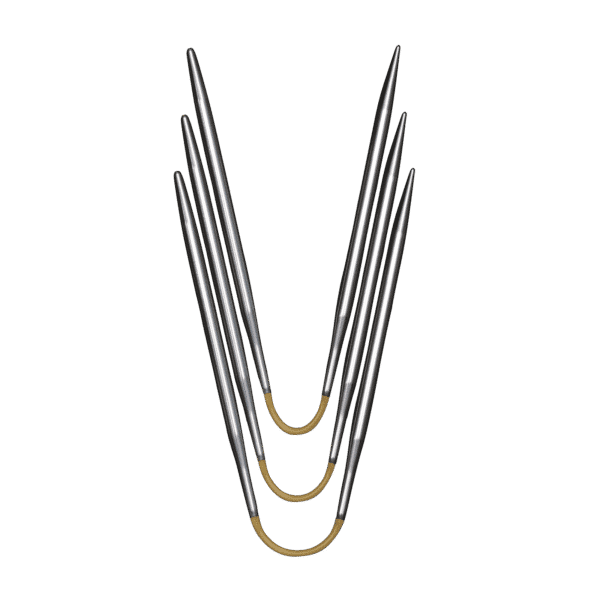
The surface coater ensures that all metal needles in the addi range have the perfect look and feel – the crucial step in creating perfect knitting needles and crochet hooks.
Would you like to train for a technical and highly varied career, and are you interested in maths and chemistry? Then you’ve come to the right place.


The Surface Coating apprenticeship (m/f/d) is never boring, because during your training you’ll gain a knowledge of chemistry that will enable you to ensure our needles are given the correct metallic coating.
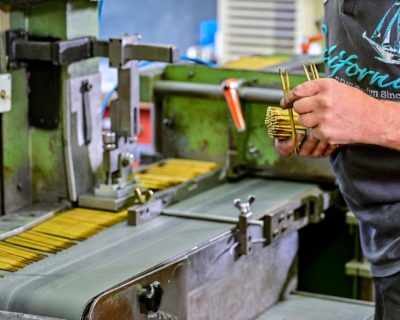
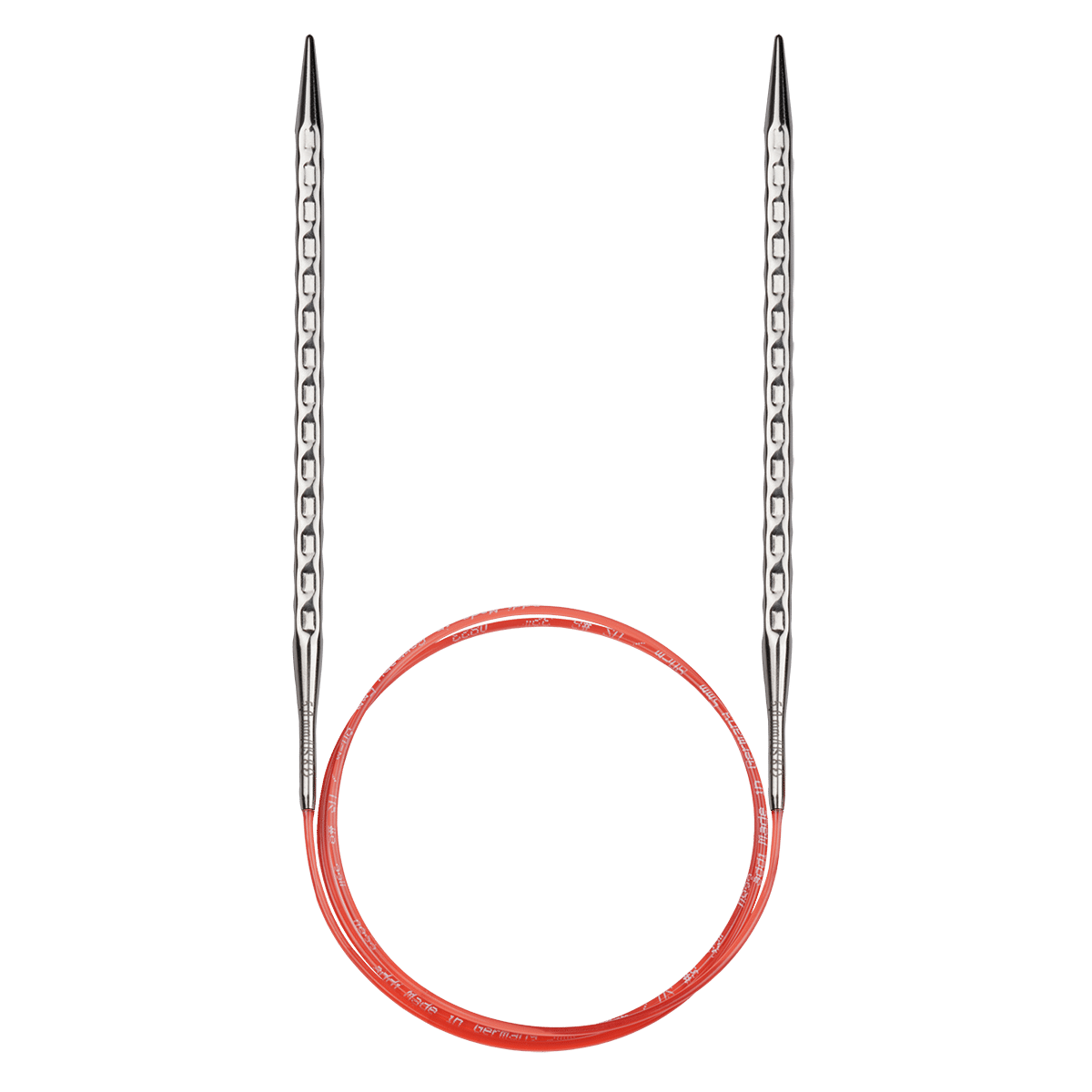
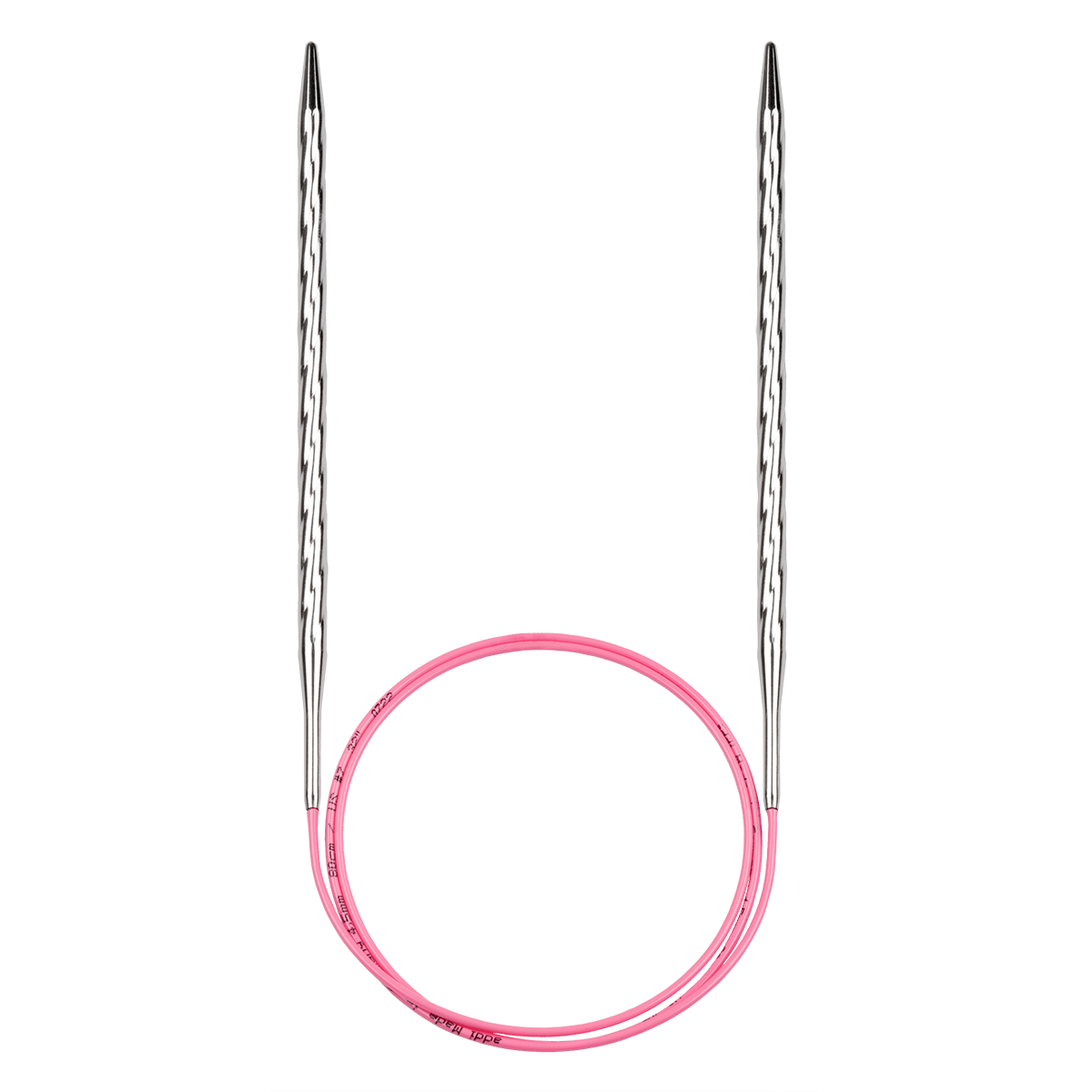
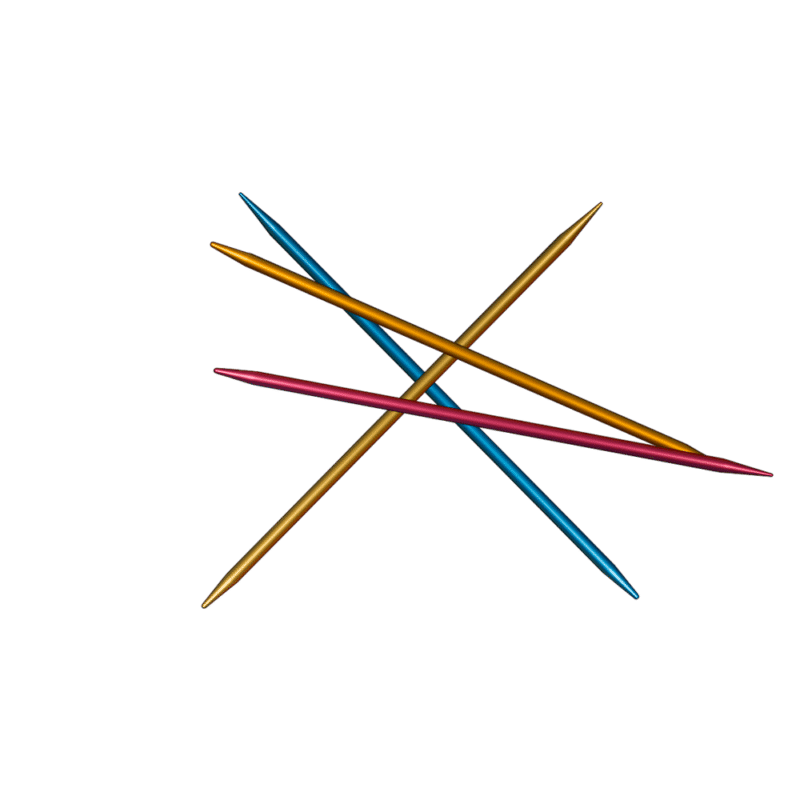
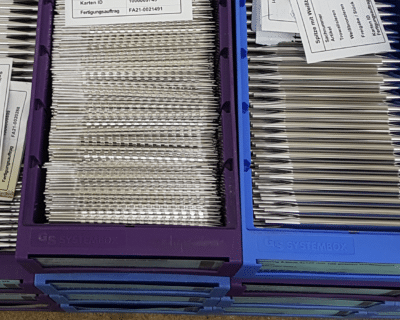
addi needles are currently manufactured in our production facility from aluminium, brass and stainless steel. We use tubular or bar stock as the starting material.
As well as enhancing the appearance, the work carried out by the surface coater ensures the sustainability of our product range, as the professional coating applied to our needles actually alters the physical properties of the metal surfaces. The service life of our products is extended by improving their abrasion resistance and hardness.
The Surface Coating apprenticeship (m/f/d) is never boring, because during your training you’ll gain a knowledge of chemistry that will enable you to ensure our needles are given the correct metallic coating.
addi needles are currently manufactured in our production facility from aluminium, brass and stainless steel. We use tubular or bar stock as the starting material.
As well as enhancing the appearance, the work carried out by the surface coater ensures the sustainability of our product range, as the professional coating applied to our needles actually alters the physical properties of the metal surfaces. The service life of our products is extended by improving their abrasion resistance and hardness.


What does a surface coater do at addi?
The anodising process
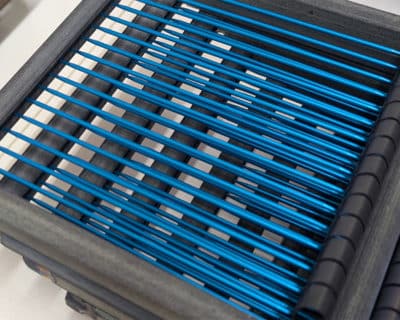
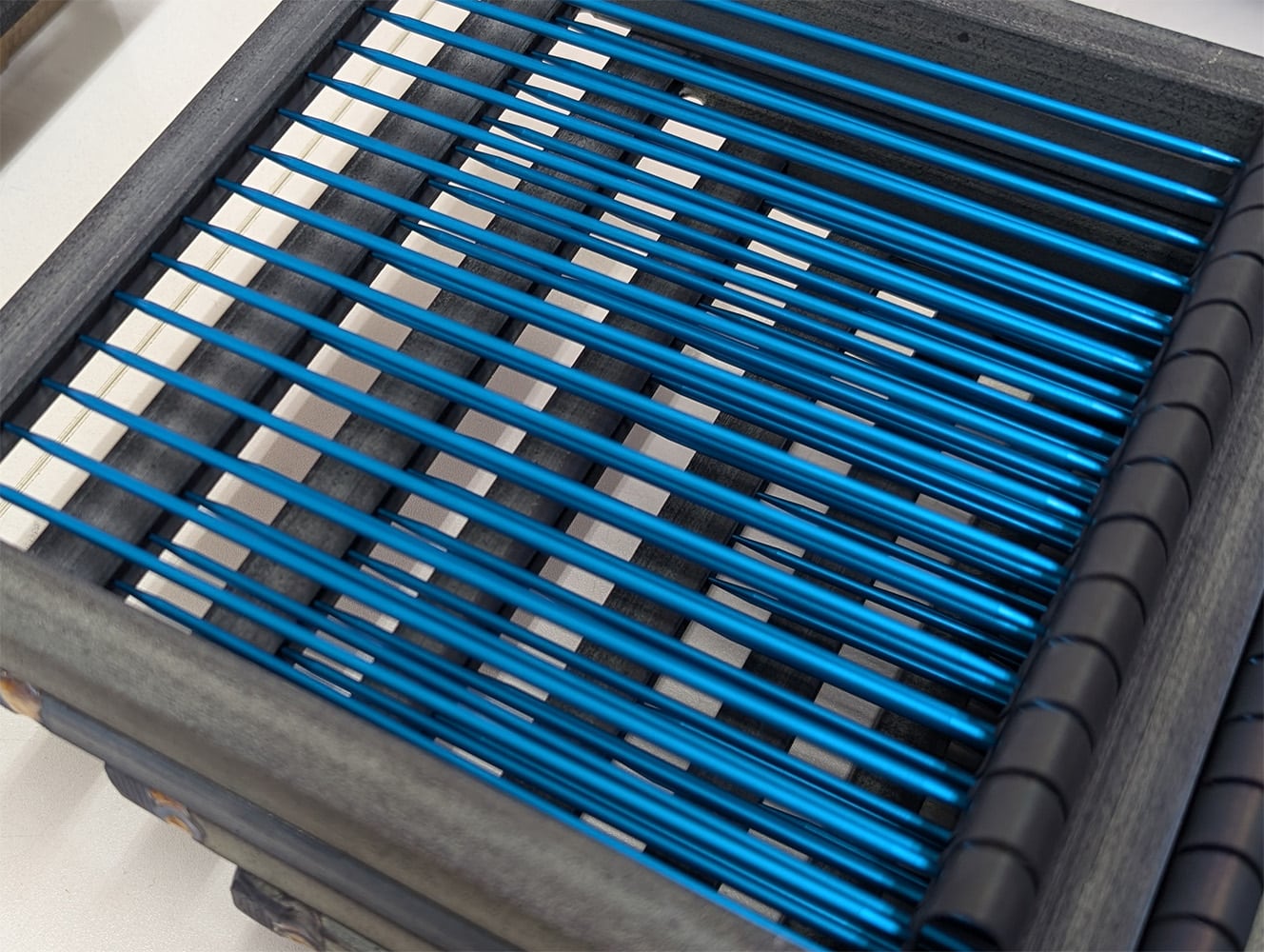
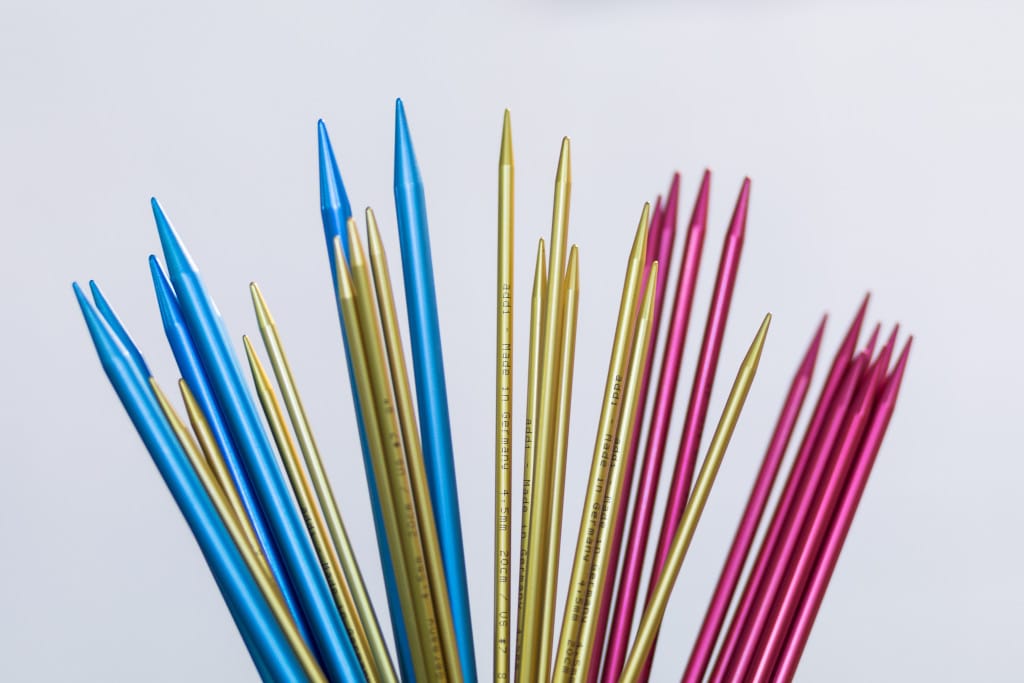
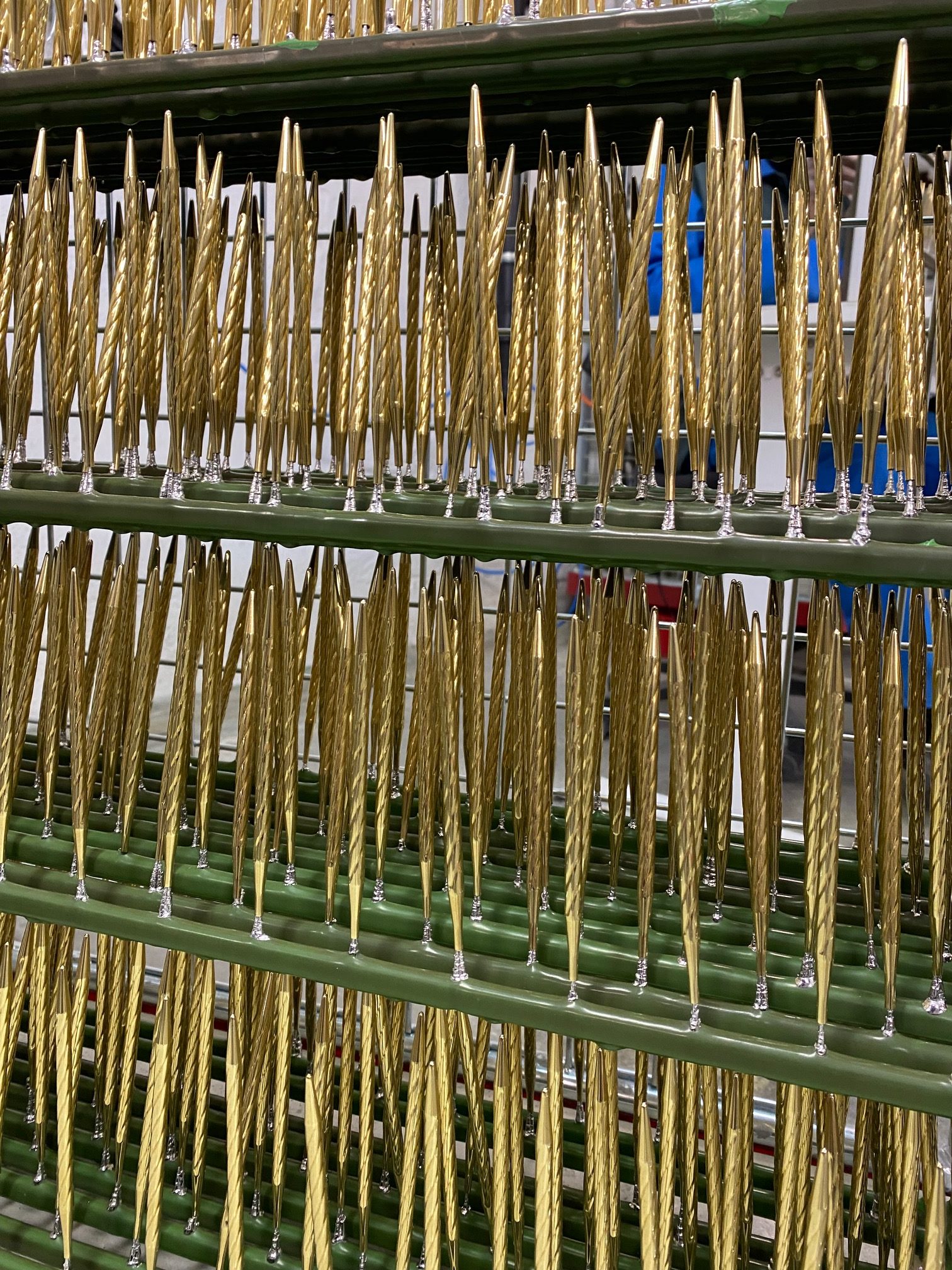
Anodising gives aluminium needles their colour.
- The term ‘ELOXAL’ is a made-up word and means: ELektrolytisches OXidieren von ALuminium.
- An anodised coating transforms the upper atomic layers of the aluminium base material into an artificially produced oxide layer. This precisely defined and uniformly produced oxide layer protects the aluminium workpiece from further natural corrosion and forms a very hard protective layer which positively alters the physical properties of the aluminium.
- The anodised coating increases the durability of our products and can even be coloured in a range of shades to suit the customer’s requirements.
- As the colouring of the anodised layer is achieved by embedding pigments, the colours are highly abrasion-resistant and do not bleed.
Polishing stainless steel
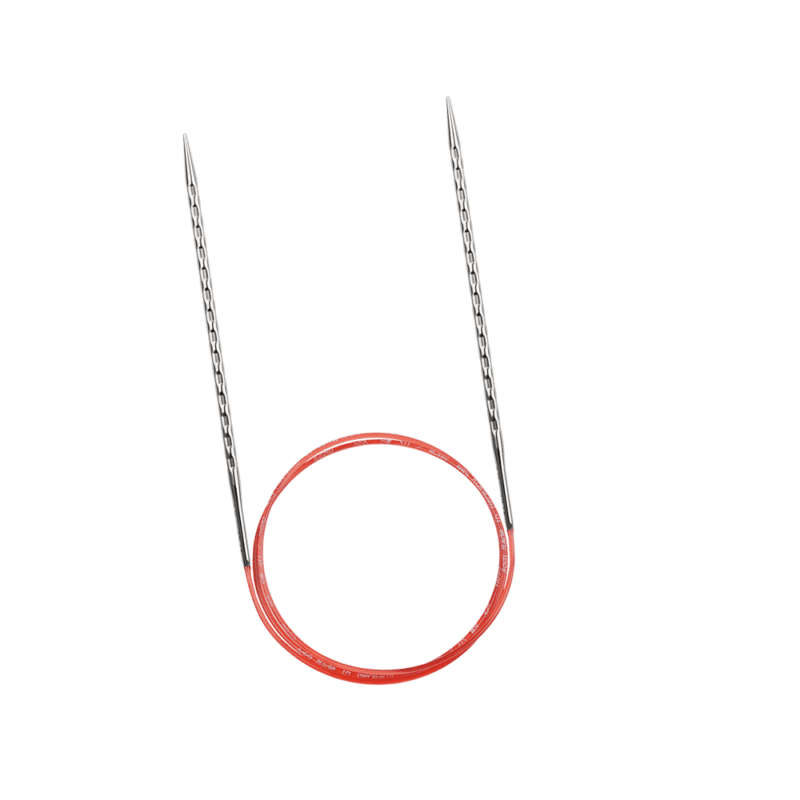
Stainless steel is largely corrosion-resistant and, at addi, is given a high-gloss finish using various mechanical polishing processes.
- The fine polishing of metal surfaces is a process step in the field of electroplating and forms part of the qualification for the role of addi surface coater.
The white-bronzing process
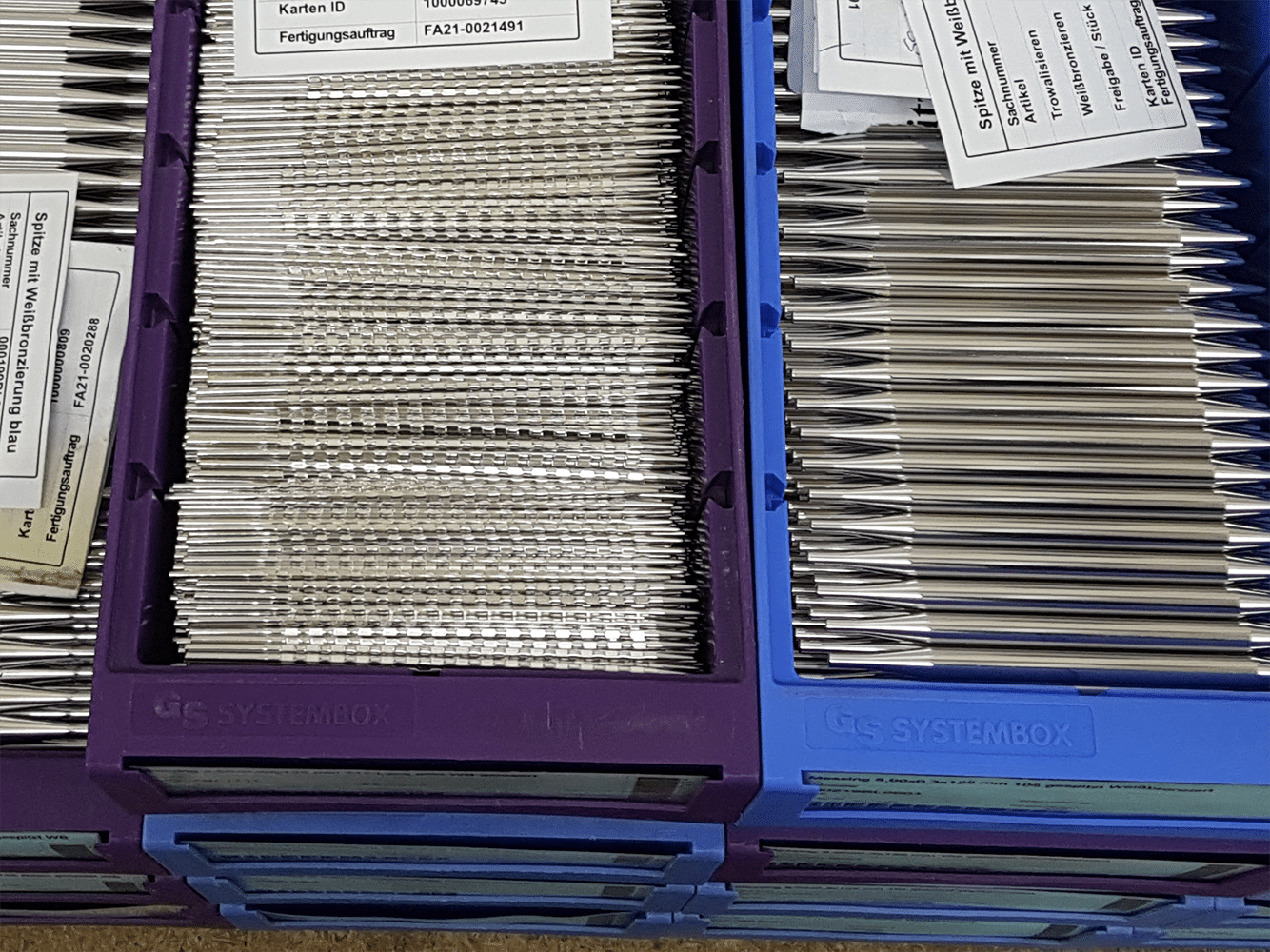
Brass is coated with white bronze.
- Brass is an alloy (a mixture of metals) consisting mainly of copper and zinc. Due to its physical properties, this material is well-suited to the manufacture of knitting needles, as it offers good formability for shaping into knitting needles.
- Unfortunately, the surface quality of brass does not meet our requirements. We therefore polish the finished knitting needles before subjecting them to a coating process involving various cleaning stages.
- The brass needles are first coated with a layer of pure copper to compensate for and smooth out any inhomogeneities and imperfections in the raw material.
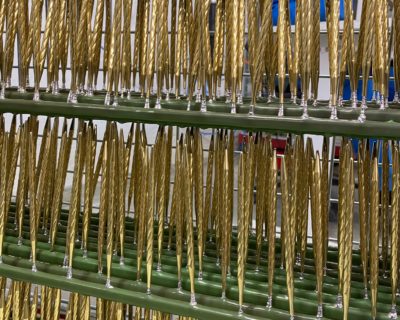
- The now-perfect copper surface of the needle is then enhanced with a silver-coloured, mirror-like layer of Weißbonze, which is deposited onto the previously formed copper layer.
- White bronze is also an alloy (mixture of metals) and consists mainly of copper and tin. This material offers a high degree of hardness and ensures that the wool being knitted flows over the needle as lightly as a feather and with minimal friction. As white bronze has antibacterial properties and is suitable for people with allergies, it is the perfect type of coating for our products.
Tasks in surface coating
Surface finishers ensure that all the metal needles in addi products have a striking look.
- These are currently manufactured in our production facility from aluminium, brass and stainless steel. To this end, we use tubular or bar stock, which is then processed in such a way as to provide our fans with the full range of our metal products.
- As well as looking stunning, the work carried out by our surface coating specialists ensures the sustainability of our product range, as the professional coating applied to our needles actually alters the physical properties of the metal surfaces. The service life of our products is extended by improving their abrasion resistance and hardness.
- The surface coater also alters the feel of the needles. To ensure the wool glides smoothly over our needles, we smooth and polish the metal needles so that we can begin the coating process with a perfect surface. The surface coater then applies the desired protective layer, which goes on to become the key to the success of our knitting needles and crochet hooks.
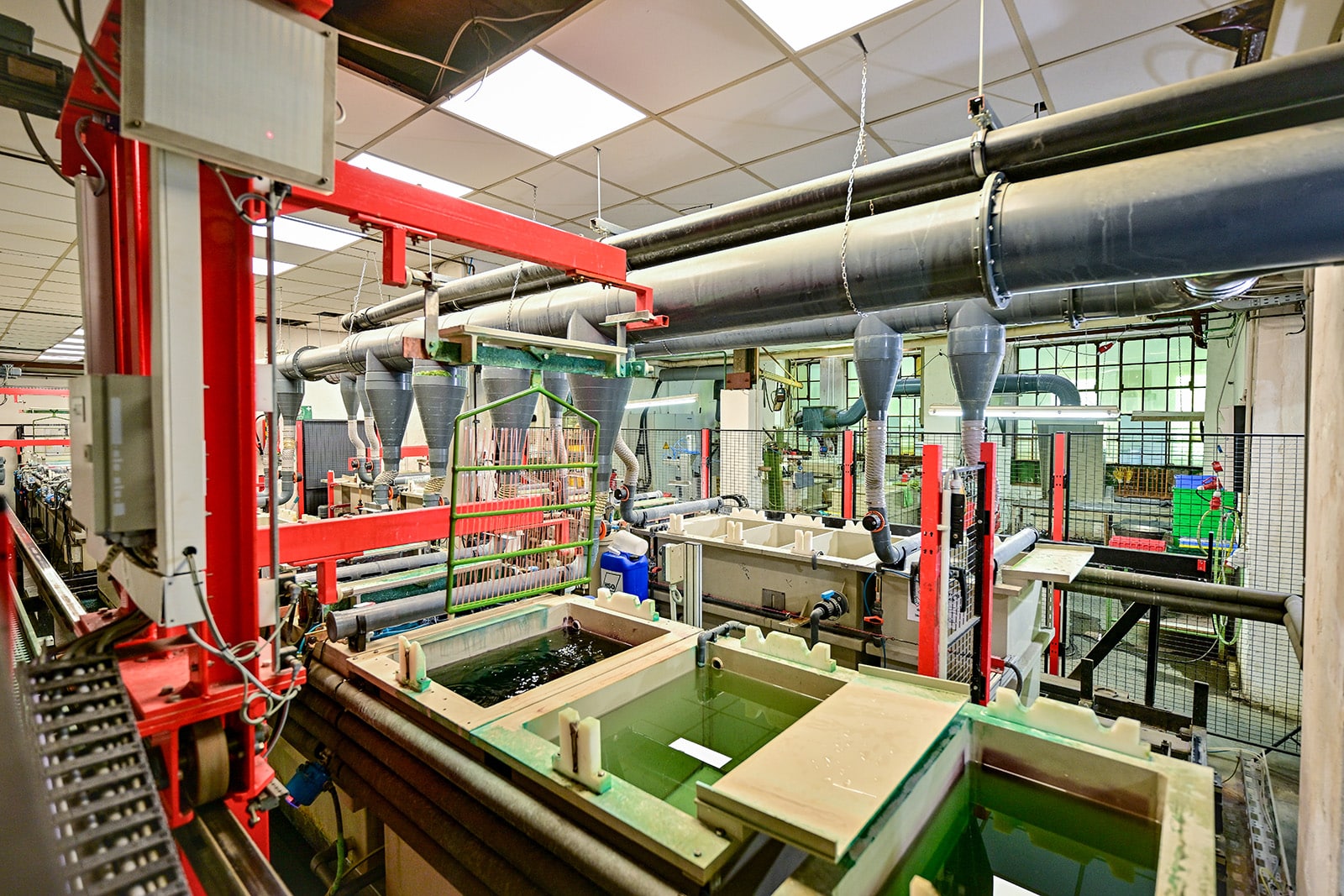
- In addition to a wide range of cleaning processes, we also offer washing, pickling and coating processes to drive forward the continuous optimisation of surface quality through innovation.
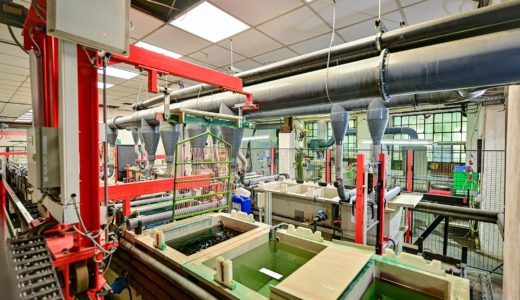
addi has been very successful in optimising its processes, which is reflected not only in product quality but also in the efficient use of process chemicals. - The field in question is electroplating. At its core, this is the chemistry of salts and salt solutions, which are referred to as electrolytes. The world of electroplating is concerned with electrochemistry.
- Our aim is therefore always to enhance the quality of our metal needles whilst using as little energy and as few chemicals as possible, whilst also conserving water resources.
- Addi therefore uses different water qualities in its production processes, depending on the quality requirements. Care is always taken to ensure that water which has passed through our processes is treated again on our premises so that it is returned to the natural environment in an excellent state of purity. Responsibility for the water cycle lies with the surface coater.
Surface coating
- The surface coating specialist ensures the process capability of the electroplating processes. This is achieved through the high level of expertise of the staff.
- Regular visual inspections of the finished products and close communication between workers ensure consistent product quality.
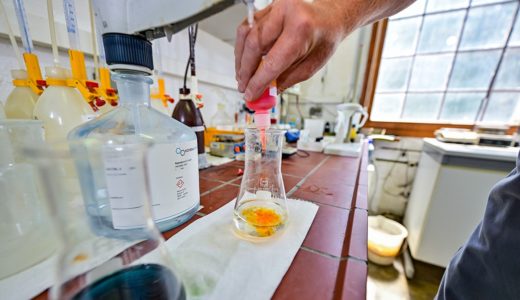
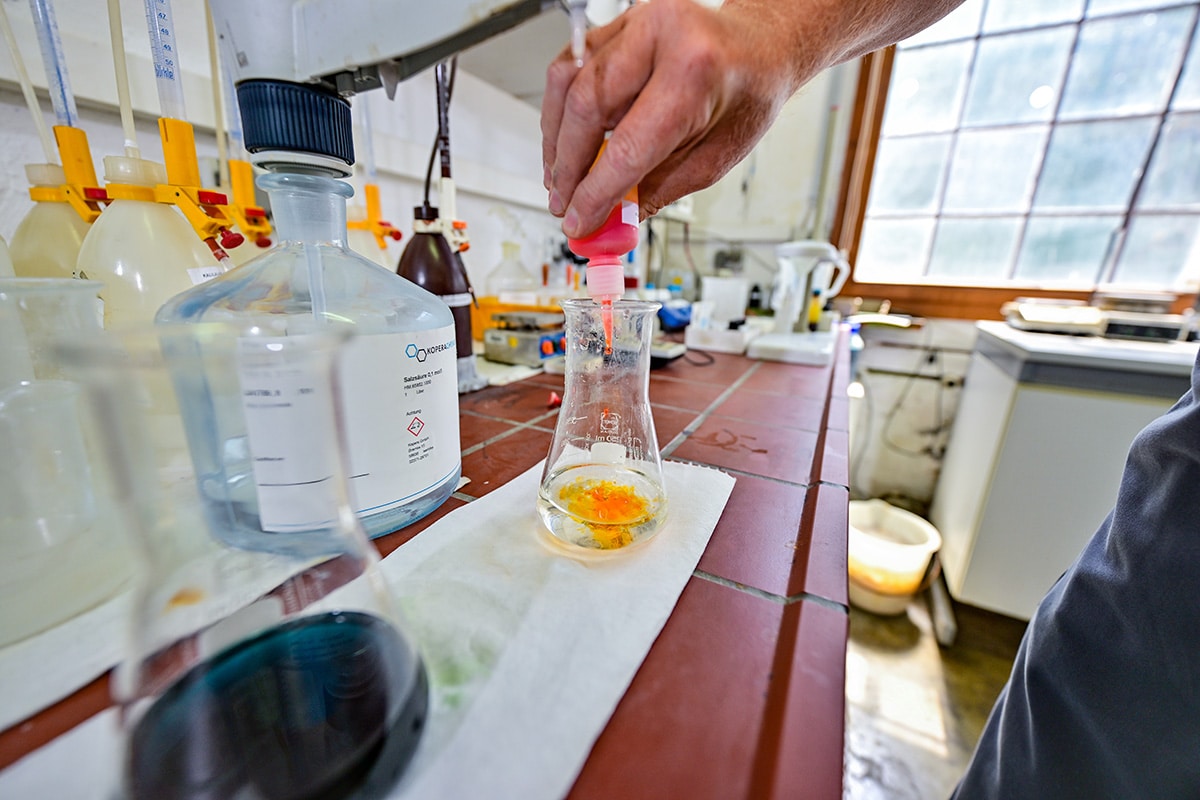
- The surface coater carries out cyclical analyses and beaker tests in the chemical laboratory, not only as a reactive measure but also as a preventative one; these enable process deviations to be corrected at a very early stage and ensure that the chemical processes remain within a narrow quality window.
- However, the surface coater is not solely concerned with product quality. Above all, the integrity of our mother earth and the environment must always be protected.
- That is why the surface coater is constantly exploring ways to make a positive contribution to the environment, such as
- the use of environmentally friendly chemicals
- savings in energy and chemicals
- cleaning and keeping water clean, sorting and preventing waste, and much more.
Learning about safety concepts
- The correct handling of hazardous substances and the development of safety plans and measures to protect people and the environment form part of the training programme for surface coaters at addi.
- Understanding the risks that hazardous substances can pose, how they act, and how surface coating specialists utilise the properties of such substances is a fascinating field of knowledge that surface coating specialists with an interest in chemistry and mathematics can explore. Reading and understanding legal texts, and implementing them, provide the framework for creativity in process and plant design, with the aim of meeting the highest quality standards.
Working at addi
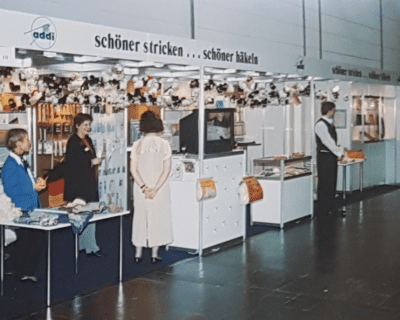
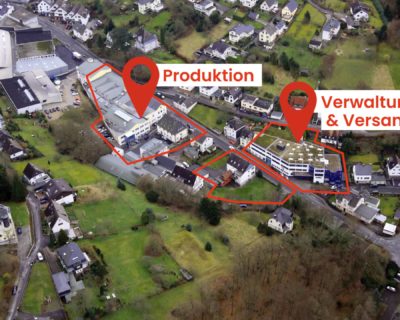
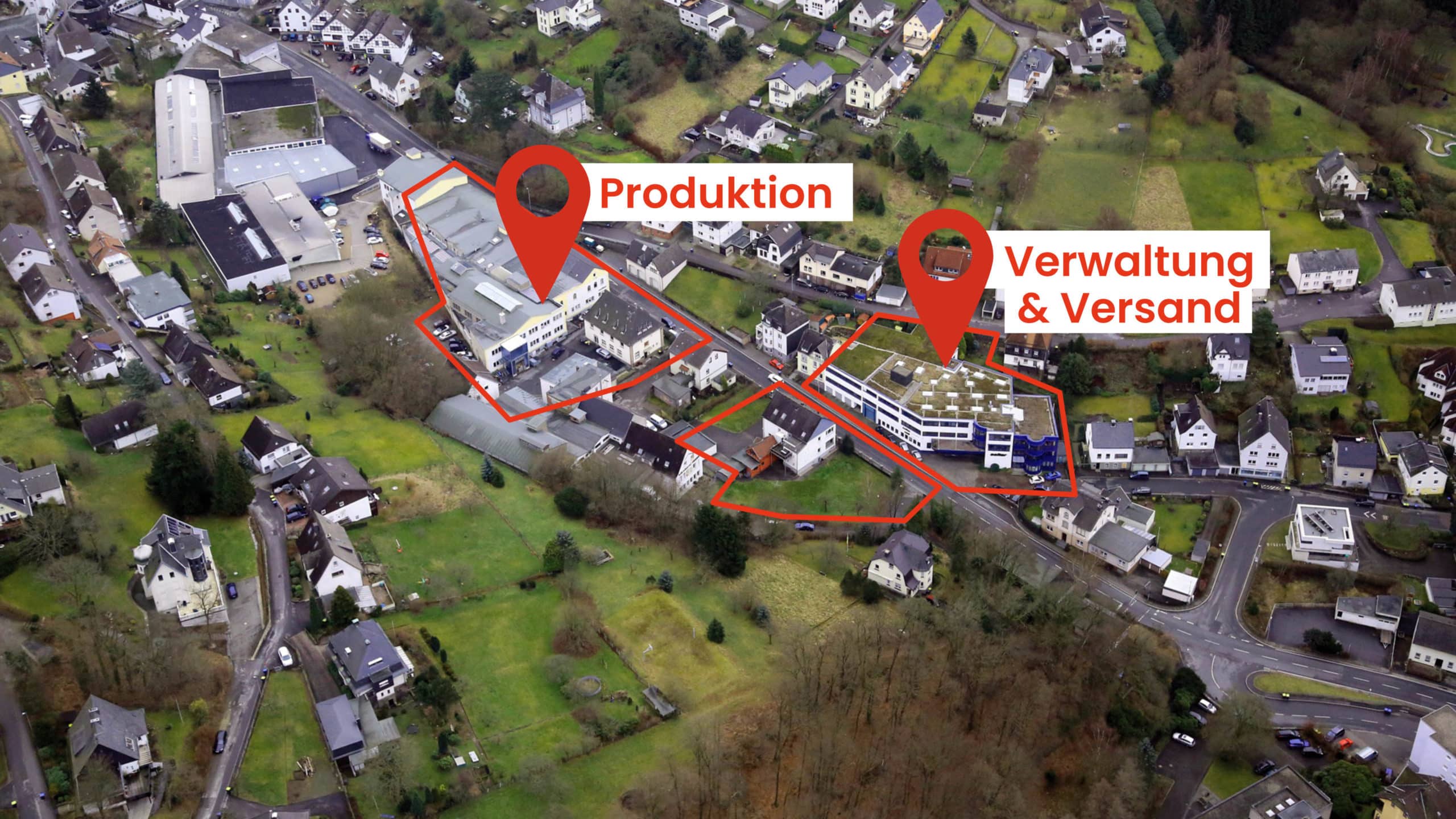
addi, or rather the Selter company, is a successful family-run business with more than 100 employees, situated in the lush heart of North Rhine-Westphalia, the Sauerland. This is where innovation meets tradition. For although we keep both feet firmly on the ground, our minds often wander among the clouds – and that is how, ever since 1829, we have continually come up with ideas for new products and solutions, which we then successfully bring to market.
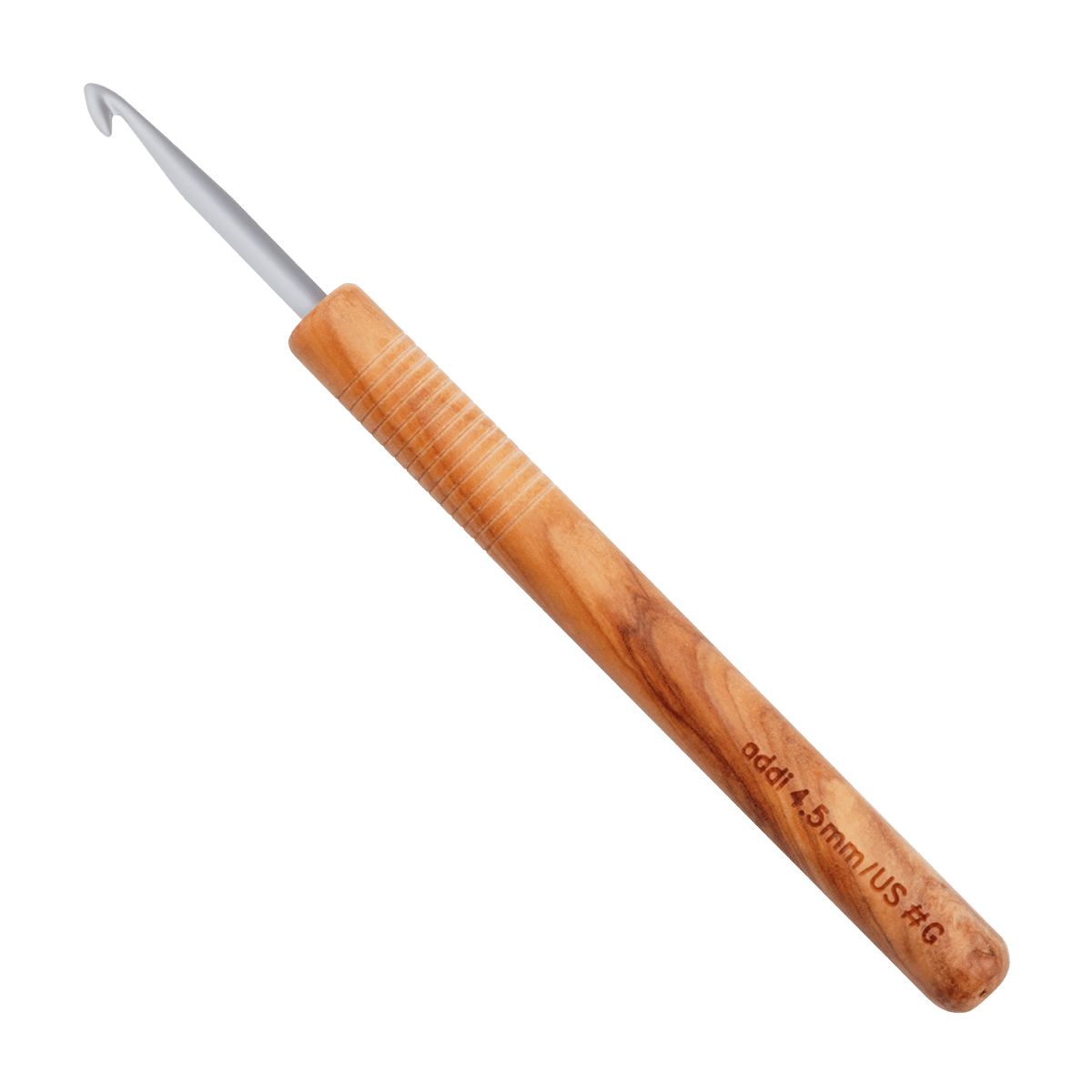
Here in our valley, we manufacture top-quality knitting needles and crochet hooks under the brand name “addi” and ship them to customers in more than 60 different countries - we therefore feel quite globalised when we can speak english, french or turkish with clients and offer various translations.


Working at addi
addi, or rather the Selter company, is a successful family-run business with more than 100 employees, situated in the lush heart of North Rhine-Westphalia, the Sauerland. This is where innovation meets tradition. For although we keep both feet firmly on the ground, our minds often wander among the clouds – and that is how, ever since 1829, we have continually come up with ideas for new products and solutions, which we then successfully bring to market.
Here in our valley, we manufacture top-quality knitting needles and crochet hooks under the brand name “addi” and ship them to customers in more than 60 different countries - we therefore feel quite globalised when we can speak english, french or turkish with clients and offer various translations.




What you will learn with us:
- The mechanical, chemical or electrolytic preparation and treatment of coated and uncoated surfaces; you will learn how to operate the relevant equipment.
- With us, you’ll learn how to handle industrial and hazardous substances in a responsible and environmentally conscious manner, and find out what environmental processes are available for saving water and recovering materials.
- You will learn how to use measuring instruments, how to measure, inspect and mark workpieces using various tools, how to carry out corrosion tests, and how to record and document other measurement values, such as environmental parameters.
- You will receive comprehensive vocational training through block-based lessons in Solingen, with accommodation provided. Accommodation is available.
- External work placements to fulfil the in-company training programme for surface coaters complement the training at addi
What you should bring along:
- Lower Secondary School Certificate / Mittlere Reife or equivalent qualification
- Chemistry and maths are your favourite subjects
- Reliability, independence and a sense of responsibility
- We enjoy working with our external service providers
What you should bring along:
- Lower Secondary School Certificate / Mittlere Reife or equivalent qualification
- Chemistry and maths are your favourite subjects
- Reliability, independence and a sense of responsibility
- We enjoy working with our external service providers


What we offer you:
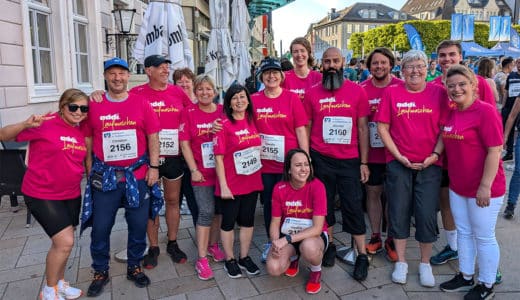
- A family-run business that cares about its staff
- Good team atmosphere
- Holiday and Christmas bonus
- Health bonus
- E-bike leasing
- Corporate Benefits
- Fitness programme with qualified trainers
- Employee app
- Monatlich stattfindende Betriebsgespräche
- Care guides as contact persons
- "You" culture throughout the company


What we offer you:
- A family-run business that cares about its staff
- Good team atmosphere
- Holiday and Christmas bonus
- Health bonus
- E-bike leasing
- Corporate Benefits
- Fitness programme with qualified trainers
- Employee app
- Monatlich stattfindende Betriebsgespräche
- Care guides as contact persons
- "You" culture throughout the company


Facts about the Surface Coater apprenticeship:
Duration of training: 3 years
Departments/Areas of activity:
- Preparation: Cleaning and pre-treatment of workpieces
- Coating: The application of metallic coatings, paints or other coatings
- Quality control: inspection of coating quality, measurement of coating thickness
- Post-treatment: polishing, drying and curing of the coated parts
- Maintenance: Servicing and upkeep of coating systems
We look forward to your application.
Please send an email with the usual documents in a PDF file to:
Gustav Selter GmbH & Co.KG
z. Hd. Lukas Kirmes
Tel: 02352-9781-73
Hauptstraße 2-6 / 58762 Altena